Get Residential Trim Installation
Residential trim installation services help property owners enhance interior aesthetics by installing or replacing moldings, baseboards, crown molding, and other decorative woodwork to improve style and cover imperfections.
Residential trim installation is an important detail that can enhance both the appearance and functionality of a property. Whether updating existing spaces or preparing for a renovation project, property owners often explore options to improve interior or exterior trim elements such as moldings, baseboards, or window casings. Considering local contractors who specialize in trim work can provide valuable insights into design choices, material options, and craftsmanship quality, helping to ensure the project aligns with the property's style and needs.
For those planning home improvement projects, comparing local service providers can be a practical step toward finding the right fit for trim installation work. A variety of experienced contractors in the area are equipped to handle different styles and scope of work, making it easier to explore options that match specific preferences and requirements. Continuing to read can help property owners gather useful information and connect with local professionals capable of delivering quality results.
- Crown Molding Installation - when finishing a room to add architectural detail and elegance.
- Baseboard and Wainscoting - for enhancing interior walls and covering imperfections.
- Door and Window Trim - during home updates or to improve the appearance of openings.
- Custom Trim Work - for unique design accents or personalized interior styles.
- Repair and Replacement of Existing Trim - when restoring or updating older or damaged woodwork.


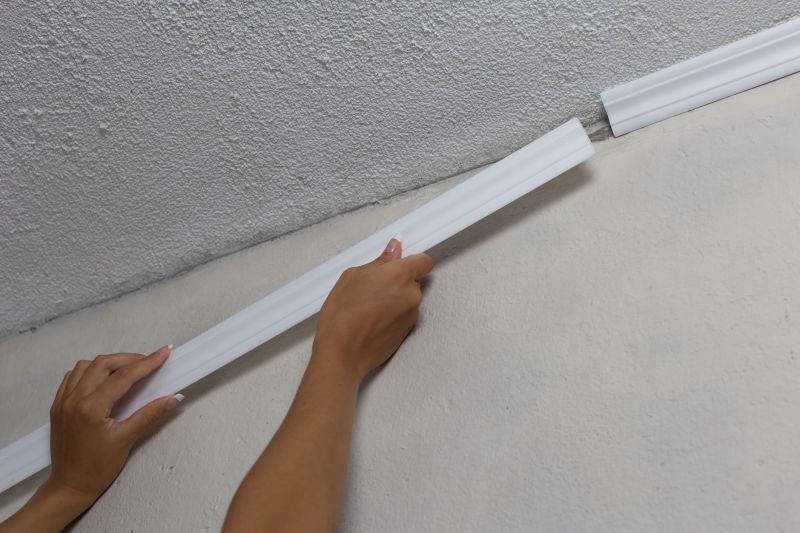
Residential trim installation services involve adding or replacing decorative and functional moldings around doors, windows, ceilings, baseboards, and cabinets. This work enhances the appearance of interior spaces by providing a finished, polished look that complements the overall design. Skilled service providers handle tasks such as measuring, cutting, fitting, and securing various types of trim materials, including wood, MDF, or composite options. Proper installation ensures that the trim fits seamlessly and maintains durability over time, helping to improve the visual appeal and value of a home.
These services can address common problems homeowners face with existing trim that is damaged, outdated, or poorly installed. Cracked, warped, or missing trim can detract from a home's aesthetic and may even cause issues with drafts or pests if gaps are present. Replacing or upgrading trim can also resolve issues related to uneven surfaces or mismatched styles, creating a more cohesive and attractive interior. Additionally, new trim installation can be part of broader renovations aimed at modernizing a space or restoring historic character.
Residential properties that typically benefit from trim installation include single-family homes, townhouses, and condominiums. These homes often feature interior spaces that require aesthetic enhancements or repairs, such as living rooms, bedrooms, kitchens, and hallways. Trim installation is also common during major remodeling projects, new construction, or when upgrading interior finishes. Whether a property is new or older, professional trim installation can help improve its overall look, making it more inviting and visually appealing.
Homeowners might consider trim installation services when they want to update the style of their interiors, repair damaged moldings, or add architectural details to improve curb appeal. It’s also a practical choice for those looking to increase the value of their property through aesthetic improvements. Local contractors can provide guidance on suitable trim options, styles, and materials that match the home's architecture and personal preferences. Contacting experienced service providers can help ensure the work is completed efficiently and to a high standard, resulting in a polished and refreshed interior.
The overview below groups typical Residential Trim Installation projects into broad ranges so you can see how smaller, mid-sized, and larger jobs often compare in your area.
In many markets, a large share of routine jobs stays in the lower and middle ranges, while only a smaller percentage of projects moves into the highest bands when the work is more complex or site conditions are harder than average.
Smaller Repairs - typical costs range from $250 to $600 for routine trim repairs or replacements on single rooms. Many projects in this range involve straightforward work with minimal materials, making them more affordable. Larger or more complex repairs can push costs higher, but most fall within this middle band.
Partial Installations - replacing or installing trim in multiple rooms or a specific area usually costs between $1,000 and $3,000. These projects often involve moderate material and labor costs, with many local contractors offering services within this range. Larger homes or intricate designs may increase the total price.
Full Home Trim Replacement - complete interior trim replacement for an entire house can typically range from $4,000 to $8,000 or more. These projects tend to be more involved, requiring extensive labor and materials, and are less common than smaller jobs, often reaching higher price points.
Custom or High-End Projects - highly detailed or custom trim installations, including premium materials, can exceed $10,000. While these are less frequent, they represent the upper tier of residential trim work, handled by local pros specializing in upscale designs or large-scale renovations.
Actual totals will depend on details like access to the work area, the scope of the project, and the materials selected, so use these as general starting points rather than exact figures.
Crown Molding Installation - local contractors skilled in precise measurement and fitting of decorative trim to enhance interior aesthetics.
Baseboard and Wall Paneling - professionals experienced in installing baseboards and wall panels that require detailed planning and tool use similar to trim work.
Door and Window Casings - service providers adept at fitting casings around doors and windows, involving careful measuring and finishing techniques.
Wainscoting and Wall Molding - local pros capable of installing decorative wall moldings that complement residential interior designs.
Interior Architraves and Cornices - specialists familiar with installing architectural trim elements that require precise alignment and finishing.
Custom Woodwork and Built-ins - artisans skilled in custom trim and wood features that demand detailed planning and craftsmanship similar to standard trim installation.
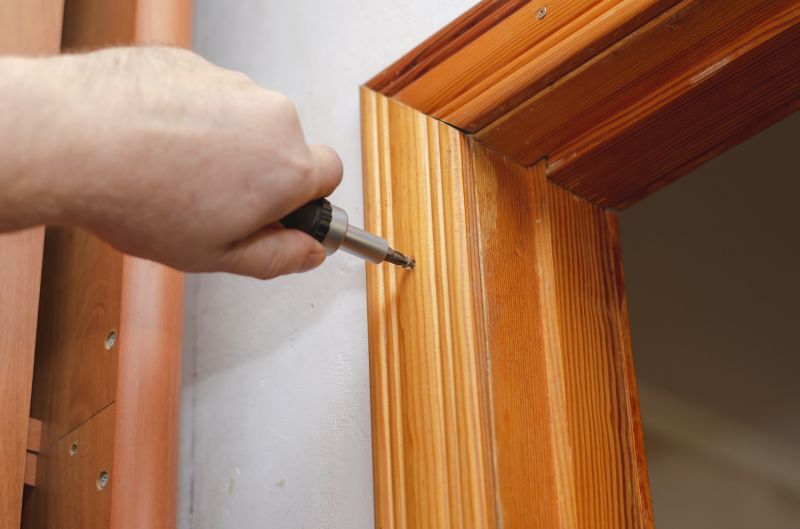
When evaluating contractors for residential trim installation, it is important to consider their experience with similar projects. A seasoned service provider will have a track record of handling the specific types of trim work needed, whether it involves crown molding, baseboards, or custom trim details. Reviewing portfolios or asking for examples of past work can help gauge their familiarity with the scope and style of the project, ensuring that they understand the nuances involved in achieving a polished, cohesive look.
Clear, written expectations are essential to a successful project. Homeowners should seek service providers who can provide detailed descriptions of the work scope, materials, and finishes. Having this information in writing helps prevent misunderstandings and sets a solid foundation for the project. It is also advisable to confirm that the contractor’s communication style aligns with the homeowner’s preferences, fostering an open dialogue that makes it easier to address questions or adjustments throughout the process.
Reputable references and good communication are key indicators of a dependable local contractor. Asking for references from previous clients can offer insights into the contractor’s reliability, work quality, and professionalism. Additionally, responsive and transparent communication during the inquiry process can reflect how the contractor will interact throughout the project. While the site introduces homeowners to local options, it is important to remember that the actual work is performed by independent service providers, making thorough research and clear expectations vital steps in selecting the right professional for residential trim installation.
Property owners use Residential Trim Installation services for practical projects around their homes and businesses. This guide focuses on everyday jobs and straightforward project options.
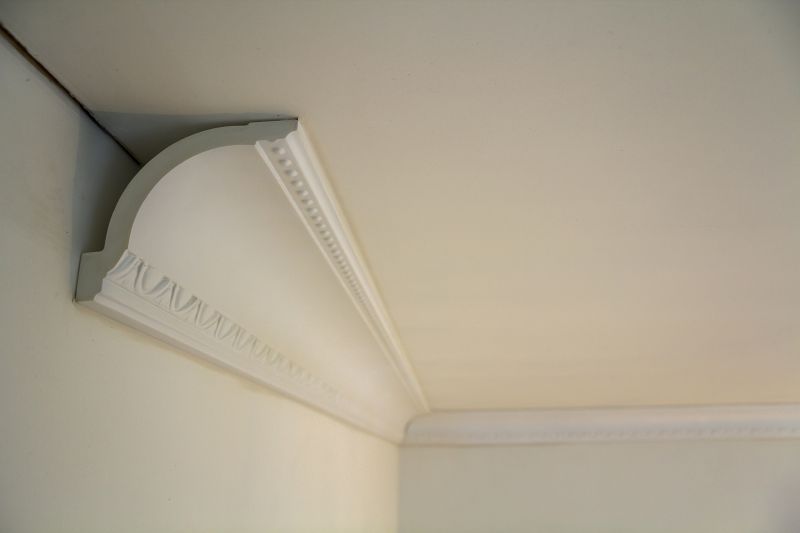

Residential trim installation is a common project for property owners looking to enhance the appearance and functionality of their homes. Whether updating outdated moldings, adding decorative accents, or completing a renovation, local contractors can handle a variety of trim work to match different styles and preferences. Homeowners often seek these services during remodeling efforts, when installing new flooring, or to improve curb appeal with fresh exterior trim details.
Property owners may also look for local pros to repair or replace damaged trim caused by weather, wear, or accidents. Simple updates like installing baseboards, crown molding, or window casings can significantly improve the overall look of a space. Connecting with experienced service providers ensures that these finishing touches are completed efficiently and to the desired standards, helping homeowners maintain or increase their property's value.
What types of residential trim services do local contractors offer? Local service providers typically handle installation and replacement of baseboards, crown molding, door and window casings, wainscoting, and other decorative trim elements to enhance interior spaces.
How can I ensure the trim installation matches my home's style? Homeowners can discuss their design preferences with local contractors, who can recommend trim styles and profiles that complement the existing interior decor.
Are there different materials available for residential trim installation? Yes, local service providers often work with a variety of materials such as wood, MDF, PVC, and composite options to suit different aesthetic and durability needs.
What preparations are needed before residential trim installation begins? Typically, it involves clearing the area, removing existing trim if necessary, and ensuring walls and surfaces are ready for the new installation as advised by local contractors.
How do local contractors ensure a professional finish on trim work? Experienced service providers use precise measuring, proper fastening techniques, and finishing methods like caulking and painting to achieve a clean, polished look.
Interior Door Trim Installation - Enhance the look of interior rooms by upgrading door casings and moldings with the help of local contractors.
Crown Molding and Trim Accents - Add architectural detail to living spaces by installing crown moldings and decorative trims through experienced service providers.
Bathroom and Kitchen Trim Updates - Refresh the appearance of kitchens and bathrooms by replacing or adding trim around cabinetry, mirrors, and fixtures.
Custom Woodwork and Trim Projects - Create personalized accents or built-in features by working with local pros skilled in custom trim and woodwork installation.
If you are thinking about Residential Trim Installation for a property, this guide is meant to help you understand the work, the typical project types, and how different options might fit your plans.
When you are ready, you can use the quote form on this page to share a few details about your project. From there, local pros can review the basics and respond with options that match what you have in mind.